

A sagging roof is something no homeowner wants to discover, yet it is more common than many people realise. Sometimes the problem develops slowly over many years, and other times it becomes obvious quite suddenly after a period of bad weather. A dip in the roofline, a bowed ceiling or uneven tiles can all be signs that something is not right. Understanding why roof sagging happens, what it means and what steps to take next helps you protect your home and avoid more serious structural issues.
What Is Roof Sagging?
Roof sagging refers to any noticeable dip or uneven area in the roof structure. It can appear along the ridge line, across the main roof surface or even on internal ceilings. In many cases, the sagging is caused by weakened or overloaded timbers that can no longer support the weight of the roof. Sometimes it is limited to a small area, while in other homes the entire roof profile may show signs of movement.
Sagging does not always mean immediate danger, but it is always a sign that something is wrong and requires attention.
What Causes A Sagging Roof?
There are several reasons why a roof begins to sag, most of which involve the weakening of the supporting structure.
Ageing timbers are one of the most common causes. Over many years, the rafters and joists that hold up the roof naturally lose some of their strength, especially in older homes. Water damage also plays a significant role. If moisture enters the roof space through a leak or poor ventilation, timber can begin to rot or soften, making it less capable of supporting the structure.
Previous roof repairs that were not carried out correctly can also contribute. Poor quality fixings, undersized replacement timbers or makeshift supports may hold initially but fail later. Roofs can also sag when additional weight is added, such as multiple layers of old felt on a flat roof, heavy concrete tiles replacing original lightweight ones or a build up of snow that takes longer to thaw in cold areas.
In some cases, movement in the building itself affects the roof. Subsidence, shifting foundations or settlement in an older property can alter the roof’s alignment and cause parts of it to dip.
Different Types Of Sagging & Roof Types
The way sagging appears often depends on the type of roof.
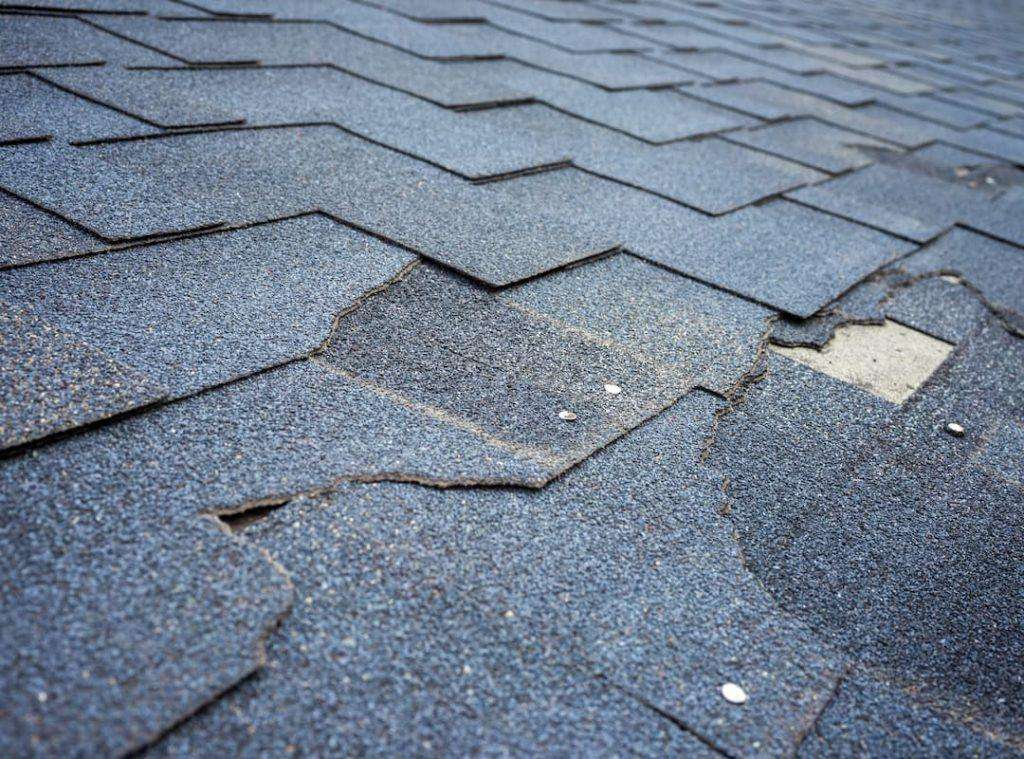
Tile and slate roofs may show uneven rows of tiles, dips in the ridge line or visible curves in the roof surface. On flat roofs, sagging usually presents as a noticeable dip where water pools after rainfall. In timber framed roofs, weakened rafters may cause parts of the internal ceiling to bow or slope. Trussed roofs, which are common in newer properties, can sag if the internal webbing of the truss becomes damaged or if the truss has been altered.
Understanding how your particular roof is built helps identify the likely cause, and it is one of the first things a professional considers during an inspection.
The Effects Of Moisture & Poor Ventilation
Moisture is one of the biggest threats to roof timbers. Even small leaks that go unnoticed for months can create damp conditions in the loft. Timber exposed to frequent moisture begins to deteriorate, and over time it weakens enough to allow the roof to sag.
Poor loft ventilation also contributes to moisture build up. Warm air rising from the home can condense in the roof space if it has nowhere to escape. This lingering moisture encourages mould, rot and general weakening of the roof structure. Ensuring the loft is ventilated correctly protects the timber and helps maintain the overall strength of the roof.
How To Identify Roof Sagging Safely
While you should never climb onto the roof to check for sagging, there are several safe ways to identify the issue from ground level or indoors.
From outside, look at the roofline from a distance. Any dips in the ridge or uneven areas in the tiles can indicate movement. You may also notice sections where tiles appear misaligned, or gaps where daylight shines through near the eaves when viewed from inside the loft.
Indoors, bowed ceilings or cracks that follow the ceiling line rather than appearing randomly on the wall can suggest that the roof structure above is under strain. In the loft, weakened or warped rafters, damp patches, sagging insulation or visible daylight coming through the roof covering are all signs of potential sagging.
If at any point checking the roof feels unsafe or requires stepping on unstable surfaces, it is important to stop immediately.
The Risks Of Ignoring A Sagging Roof
A sagging roof is not just an aesthetic issue. Left untreated, it can lead to more serious problems.
Water can enter the home more easily where the roof has dipped, creating damp patches, mould growth or damaged plaster. The weight of the roof may shift unevenly, placing stress on other parts of the structure. Insulation can become damp and lose effectiveness. In severe cases, timbers may fail entirely, and the roof could partially collapse, especially during storms or heavy snowfall.
Even moderate sagging can worsen quicker than expected, so addressing it promptly is important.

Safety Considerations For Homeowners
Roof sagging should always be approached with caution. Avoid climbing ladders to inspect the roof, and do not attempt to walk on the surface. Inside the loft, be careful when moving around, as weakened areas may not support weight. If you are unsure about the stability of the roof space, it is best not to enter at all.
Photographing the affected areas from safe positions can be helpful for reference later, but safety should always come first.
What A Professional Roof Inspection Involves
A professional roofer begins by assessing the roof from the outside, checking the tiles or roof covering, the ridge, the load distribution and any visible dips or distortions. Inside, the rafters, joists and trusses are examined for signs of rot, bowing or structural weakness. Moisture readings may be taken to determine whether damp or leaks are contributing to the problem.
The inspection aims to find the exact cause of the sagging so that the correct repair can be made. This could involve strengthening existing timbers, replacing damaged rafters, improving ventilation, addressing leaks or adjusting the roof covering.
Understanding the underlying cause is essential for long term stability.
What To Do Next If You Notice Sagging
If you spot signs of sagging, the first step is to keep an eye on the affected area and note any changes over time. If leaks are present, contain the water as best you can and ventilate the area to prevent further dampness. Avoid placing any weight on the roof or attempting temporary fixes, as these can make the problem worse.
The safest and most effective next step is to arrange a professional assessment. Even if the issue appears minor, a roofer can confirm whether it poses a risk and recommend the appropriate repair.
Need Your Roof Assessed?
If you have noticed dips in your roofline or signs of sagging inside your home, QTS National provides professional roof inspections and repairs across the UK. Our team can identify the cause of the issue, explain your options clearly and carry out the work needed to restore your roof safely.
Get in touch today to arrange an inspection or discuss your concerns.


