

Your roof keeps your home, and family, protected from the elements. While many homeowners think of roofs as long lasting and maintenance free, every roof has a natural lifespan. Knowing how long different roofing materials last in the UK, what affects their longevity and how to spot early signs of wear can help you avoid unexpected repairs and protect your home for decades.
How Long Different Roofing Materials Last In The UK
The lifespan of a roof depends heavily on what it is made from. Each material has its strengths and vulnerabilities, and UK weather conditions influence them in different ways.
Slate Roofs
Natural slate is one of the most durable roofing materials available. High quality slate can last well over a century, and even standard slates commonly reach sixty to a hundred years with good installation and maintenance. Slate is resistant to moisture and frost, but individual slates can slip when nails corrode or when the slate becomes brittle with age.
Clay Tile Roofs
Clay tiles are widely used across the UK and are known for their long lifespans. Most clay tile roofs last fifty to seventy years, and some exceed this. They cope well with changing temperatures, though frost can occasionally cause cracks. Ridge tiles may loosen over time, and older clay tiles become more porous, increasing the likelihood of water absorption.
Concrete Tile Roofs
Concrete tiles are strong and affordable, but they generally have a shorter lifespan than clay or slate. Most concrete tile roofs last around forty to sixty years. As they age, they gradually lose their protective surface coating, allowing water to absorb more readily. This can lead to moss growth, increased weight on the roof structure and gradual deterioration.
Flat Roofs (Felt, GRP, EPDM)
Flat roofs vary significantly depending on the material used. Traditional felt roofs typically last ten to twenty years, though well installed modern felt can sometimes exceed this. GRP fibreglass roofs usually last twenty to thirty years, and EPDM rubber roofs commonly reach twenty five to forty years. Flat roofs are more vulnerable to ponding water, UV exposure and cracking at vulnerable joins, especially on older or poorly maintained installations.

What Influences Roof Lifespan In The UK?
Even with high quality materials, a roof’s true lifespan depends on several factors.
Weather Exposure
UK roofs endure constant weather changes. Heavy rainfall, frost, strong winds and occasional storms all contribute to wear and tear. Properties in coastal areas may experience salt corrosion, while exposed locations can suffer more frequent wind related tile displacement.
Installation Quality
Even the best roofing materials will not reach their full lifespan if the installation was poorly carried out. Incorrect tile alignment, inadequate ventilation, weak fixings or substandard flashing work can all reduce the roof’s reliability and longevity.
Maintenance
Regular maintenance has a major impact on how long a roof lasts. Small issues such as slipped tiles, blocked gutters or minor leaks become bigger problems if left unchecked. Keeping gutters clear, addressing slipped or cracked tiles and checking loft spaces for signs of dampness all help extend the roof’s life.
Roof Ventilation
A well ventilated roof space helps prevent condensation and moisture build up. Poor ventilation leads to damp insulation, mould, timber rot and weakened structural elements, all of which shorten a roof’s lifespan.
Nearby Trees And Vegetation
Moss, leaves and debris increase moisture retention on the roof surface. Over time, this can encourage tile deterioration, blocked gutters and extra strain on the roof structure.
Warning Signs That A Roof Is Reaching The End Of Its Life
Roofs rarely fail without giving signs first. Spotting problems early helps prevent further damage.
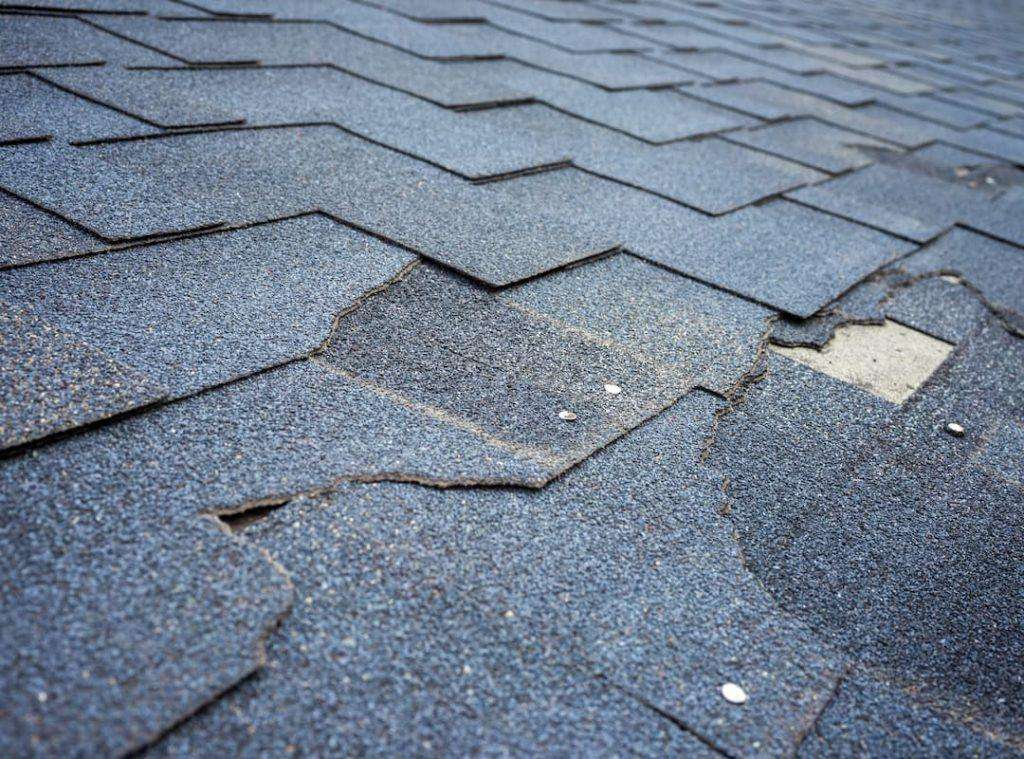
You may notice cracked or slipped tiles, moss build up, sagging areas or visible dips along the roofline. Indoors, damp patches, discoloured ceilings or loft insulation that feels damp can also indicate that the roof is no longer performing effectively. More advanced signs include deteriorating flashing, persistent minor leaks or consistent tile movement during high winds.
While these signs do not always mean full replacement is needed immediately, they indicate that the roof is ageing and requires attention.
How To Assess Your Roof Safely
Homeowners can perform basic checks from the ground or inside the loft, but safety should always come first. You can look for uneven areas, loose tiles or changes in the ridge line from the ground, and check the loft after rain for signs of damp timber or daylight coming through gaps. However, you should not climb onto the roof, walk on tiles or attempt roof repairs without proper training. Roof surfaces can be slippery, and incorrect access can cause damage or injury.
If you are unsure, stop checking and seek a professional assessment instead.
What A Professional Roof Inspection Involves
A roofer examines both the exterior and interior parts of the roof. Outside, they check tile condition, fixings, ridge stability, flashing, valleys and any areas where water might be penetrating. Indoors, they inspect the rafters, underlay, ventilation, insulation and the general condition of the roof structure. The aim is to determine whether repairs are sufficient or whether the roof is approaching the end of its serviceable life.
An inspection also helps identify localised issues, such as a small area of damage, versus broader age related deterioration.
Do You Always Need To Replace A Roof At The End Of Its Lifespan?
Not always. Many older roofs can continue functioning safely with timely repairs and roof maintenance. Replacing slipped tiles, renewing flashing or improving ventilation can prolong the life of an ageing roof. However, when multiple areas show signs of failure, or when the roof covering has deteriorated severely, replacement becomes the most practical long term solution.
A professional assessment helps determine the right approach for your home.
Need Your Roof Assessed?
If your roof is showing signs of ageing or you are concerned about its condition, QTS National provides thorough roof inspections and reliable repair options across the UK. Our team can help you understand what your roof needs and ensure your home remains protected.
Contact us today to arrange an inspection or discuss any concerns you may have about your roof.


